On Wednesday, 14 January, MPs voted in favour of banning protests at sites that experiment on animals. This is a major attack on our fundamental right to free speech – but we have a chance to stop the ban.
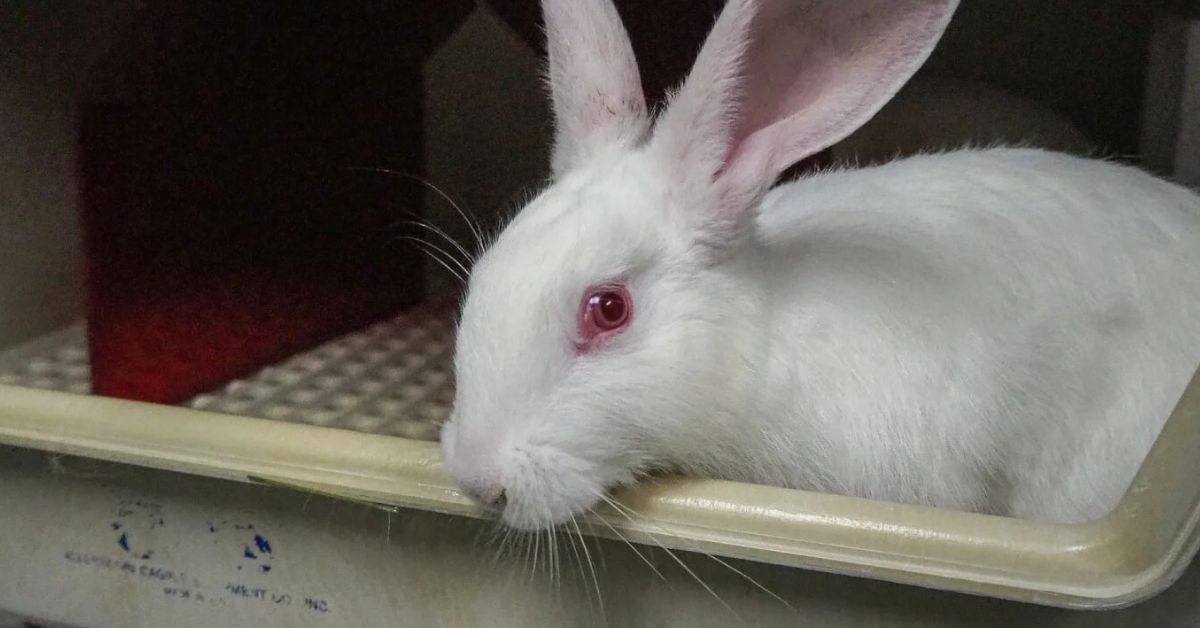
© Roger Kingbird / We Animals Media
Email peers at the House of Lords today to urge them to oppose the plans.
They are debating the ban on 21 January – so please act today!
Restricting Protest
In recent years, the Government has controversially tightened protest laws, giving police stronger powers to curb disruptions to key infrastructure covering major roads, transport systems, energy supply, and other critical infrastructure, drawing criticism from civil liberties and human rights organisations. Now, they are targeting protests against animal testing.
Using powers in the Public Order Act 2023, the Government plans to introduce amendments that designate life sciences infrastructure as ‘key national infrastructure’.
Risk of Imprisonment
If this goes ahead, any protests at animal testing sites could be treated as a criminal offence, punishable by up to one year's imprisonment. This could include online forms of protest too. It is essential that people retain the right to protest the use of animals in experiments. These victims cannot speak out or resist abuse themselves, so it is imperative that others can do so on their behalf.
Animals Tormented in Laboratories
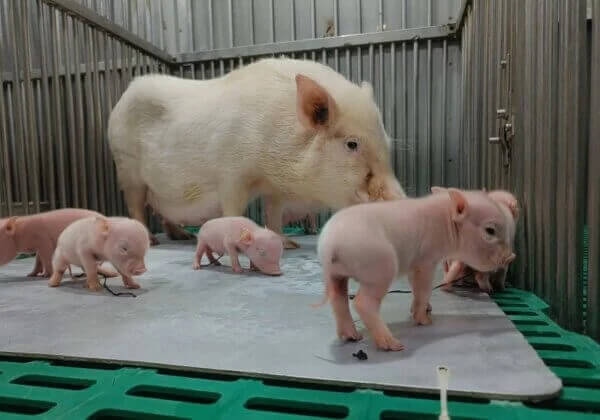
All across the country, animals are being sliced open, injected, starved, electrocuted, mutilated, deprived of water, caged in barren conditions, and killed in horrific ways in experiments. Mice, rats, fish, dogs, pigs, horses, monkeys, rabbits, and chickens are all among the animals used.
Someone, Not Something
Every single animal used in experiments is someone, not something, who can feel pain just like we do. They are languishing behind closed doors in laboratories, where experimenters can subject them to painful experiments away from public view. Animal testing proves itself to be futile again and again – 90% of “highly promising” basic research findings, most of which involve tests on animals, fail to become routinely used treatments within 20 years.